
A few days ago, the Minister of Education Valditara signed the decree approving the guidelines for guidance, a reform planned by the PNRR. This introduces 30-hour annual curricular modules to support students and families in reflecting on and identifying a student’s strengths throughout their educational path, highlighting their knowledge, acquired experiences, and digital skills.
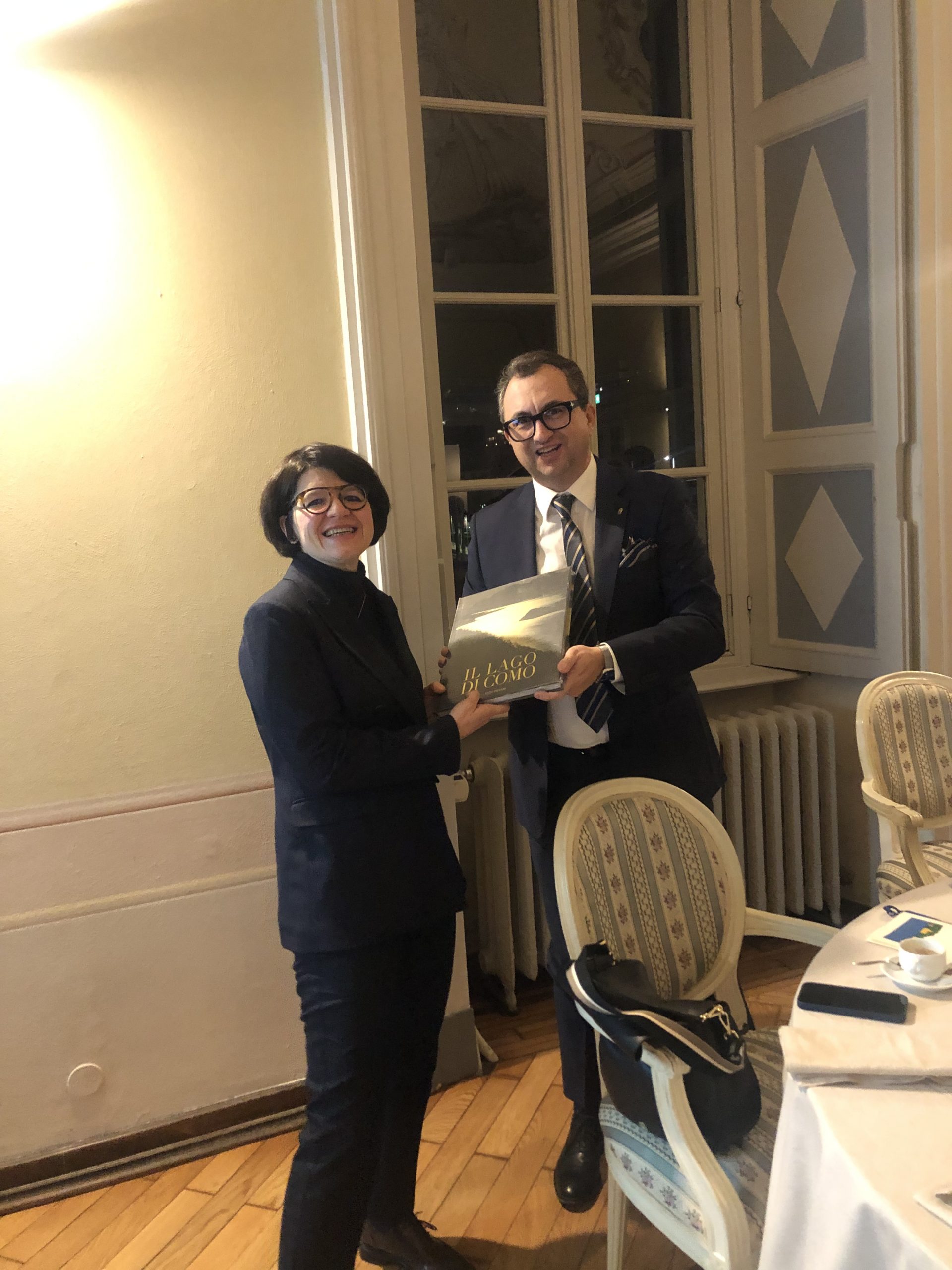
The presence of the speaker chosen by President Lombardi, Dr. Sara Cipollini, was therefore no coincidence. A Project Manager with an impressive professional background, she currently oversees the development of an international network of schools in Italy while also coordinating the design of residential training for young people, professionals, and families. “School and Guidance” was the title of her brief presentation, following a format already tested on other occasions that allows ample space for interactivity and questions from the audience. The discussion revealed a picture of substantial dissatisfaction: despite the institution spending significant sums on each student over 16 years of learning (from kindergarten to graduation), 12.7% drop out, one in ten graduates finish their studies without acquiring even minimum skills, and those who can, move abroad to continue their education. Consequently, the business world today struggles to find individuals with adequate skills, creating a contradiction where Italian educational heritage is recognized through the success of young Italians abroad, who often achieve better results than their international peers. Schools must therefore face two essential challenges: guidance and the attractiveness of the labor market. During the extensive debate, participants also addressed topics such as the ability of teachers to act as counselors, low salaries, teacher training, the needs of companies, and the opportunity to develop soft skills (relational and behavioral abilities) and hard skills (technical and professional competencies).
LF